Thursday, September 12, 2013

This Is What Happens To Your Body When You Exercise

I found this article in the Huffington Post, and I loved how much detail they went into, particularly in the brain. Very interesting stuff!

Whether you do it to lose weight, to reach a fitness goal or -- dare we say it? -- just for fun, exercise changes you.
There's the red face and the sweating, the pounding heart and pumping lungs, the boost to your alertness and mood, the previously nonexistent urges to talk about nothing but splits and laps and PBs.
But while we all know that staying physically active is essential to a long, healthy, productive life, we don't often understand exactly what's happening behind the scenes.
We asked the experts to take us through -- from head to toe -- what happens in the body when we exercise. Neuroscientist Judy Cameron, Ph.D., professor of psychiatry at the University of Pittsburgh School of Medicine, Tommy Boone, Ph.D., a board certified exercise physiologist, and Edward Laskowski, M.D., co-director of the Mayo Clinic Sports Medicine Center spill the beans on what gets and keeps you moving.
Muscles
The body calls on glucose, sugar the body has stored away from the foods we eat in the form of glycogen, for the energy required to contract muscles and spur movement.
It also uses adenosine triphosphate, or ATP, but the body only has small stores of both glucose and ATP. After quickly using up these supplies, the body requires extra oxygen to create more ATP. More blood is pumped to the exercising muscles to deliver that additional O2. Without enough oxygen, lactic acid will form instead. Lactic acid is typically flushed from the body within 30 to 60 minutes after finishing up a workout.
Tiny tears form in the muscles that help them grow bigger and stronger as they heal. Soreness only means there are changes occurring in those muscles, says Boone, and typically lasts a couple of days.
Lungs
Your body may need up to 15 times more oxygen when you exercise, so you start to breathe faster and heavier. Your breathing rate will increase until the muscles surrounding the lungs just can't move any faster. This maximum capacity of oxygen use is called VO2 max. The higher the VO2 max, the more fit a person is.
Diaphragm
Like any muscle, the diaphragm can grow tired with all that heavy breathing. Some argue that as the diaphragm fatigues, it can spasm, causing a dreaded side stitch. (Others argue a side stitch is due to spasms of the ligaments around the diaphragm instead, while others believe the spasms to originate in the nerves that run from the upper back to the abdomen and are caused by poor posture!) Deep breathing and stretching can alleviate the discomfort in the middle of a workout, and preemptive strengthening in the gym can ward off future issues.
Heart
When you exercise, heart rate increases to circulate more oxygen (via the blood) at a quicker pace. The more you exercise, the more efficient the heart becomes at this process, so you can work out harder and longer. Eventually, this lowers resting heart rate in fit people.
Exercise also stimulates the growth of new blood vessels, causing blood pressure to decrease in fit people.
Stomach & Intestines
Because the body is pumping more blood to the muscles, it takes some away from the systems and functions that aren't top priority at the moment, like digestion. That can result in tummy troubles. Movement, absorption and secretion in the stomach and intestines can all be affected.
Brain
Increased blood flow also benefits the brain. Immediately, the brain cells will start functioning at a higher level, says Cameron, making you feel more alert and awake during exercise and more focused afterward.
When you work out regularly, the brain gets used to this frequent surge of blood and adapts by turning certain genes on or off. Many of these changes boost brain cell function and protect from diseases such as Alzheimer's, Parkinson's or even stroke, and ward off age-related decline, she says.
Exercise also triggers a surge of chemical messengers in the brain called neurotransmitters, which include endorphins, often cited as the cause of the mythical "runner's high."
The brain releases dopamine and glutamate, too, to get those arms and legs moving, as well as gamma-aminobutyric acid, or GABA, a prohibitive neurotransmitter that actually slows things down, to keep you moving in a smooth and controlled manner.
You'll also likely feel better thanks to a bump in serotonin, a neurotransmitter well known for its role in mood and depression.
Hippocampus
This part of the brain is highly involved in learning and memory, and it's one of the only sections of the brain that can make new brain cells. Exercise facilitates this, thanks to the extra oxygen in the brain.
Even when you stop exercising, those new brain cells survive, whereas many other changes in the brain during exercise eventually return to their normal state should you become less active. 
Hypothalamus
The hypothalamus is responsible for body temperature, as well as salt and water balance, among other duties. As your body heats up, it tells the skin to produce sweat to keep you cool.
Pituitary Gland
This control center in the brain alerts the adrenal glands to pump out the hormones necessary for movement. It also releases growth hormones. As the body searches for more fuel to burn after using up your glycogen stores, it will turn to either muscle or fat, says Cameron. Human growth hormone acts as a security guard for muscle, she says, telling the body to burn fat for energy instead.
Kidneys
The rate at which the kidneys filter blood can change depending on your level of exertion. After intense exercise, the kidneys allow greater levels of protein to be filtered into the urine. They also trigger better water reabsorption, resulting in less urine, in what is likely an attempt to help keep you as hydrated as possible.
Adrenal Glands
A number of the so-called "stress" hormones released here are actually crucial to exercise. Cortisol, for example, helps the body mobilize its energy stores into fuel. And adrenaline helps the heart beat faster so it can more quickly deliver blood around the body.
Skin
As you pick up the pace, the body, like any engine, produces heat -- and needs to cool off. The blood vessels in the skin dilate, increasing blood flow to the skin. The heat then dissipates through the skin into the air.
Eccrine Glands
At the hypothalamus's signal, one of two types of sweat glands, the eccrine glands, get to work. These sweat glands produce odorless perspiration, a mixture of water, salt and small amounts of other electrolytes, directly onto the skin's surface. When this sweat evaporates into the air, your body temp drops.
Apocrine Glands
This second type of sweat gland is found predominantly in hair-covered areas, like the scalp, armpits and groin. These sweat glands produce a fattier sweat, typically in response toemotional stress, that can result in odor when bacteria on the skin begin to break it down, according to the Mayo Clinic.
Face
The capillaries close to the skin's surface in the face dilate as well, as they strain to release heat. For some exercisers, this may result in a particularly red face after a workout.

Joints
Exercising puts extra weight on the joints, sometimes up to five or six times more than your bodyweight, says Laskowski.
Ankles, knees, hips, elbows and shoulders all have very different functions, but operate in similar ways. Each joint is lined with cushioning tissue at the ends of the bones called cartilage, as well as soft tissue and lubricating fluid, to help promote smooth and easy motion. Ligaments and tendons provide stability.
Over time, the cushioning around the joints can begin to wear away or degenerate, as happens in people with osteoarthritis, the most common type of arthritis.

Wednesday, August 28, 2013

90 Day Fit Challenge

It's time for another 90 Day Fit Challenge! After the success of last year's competition we decided to go for round 2! 

This is a great opportunity for anybody who is looking to make healthy life changes, and will provide an opportunity to win some great prizes! 

Grand Prize:iPad
Version will depend on what has been released by end of competition. 

1st Runner Up:At Home Suspension Training System


2nd Place: Foam Roller 


You can participate in three different ways, 
*Training with me three times a week
*Training with me two times a week
*Independent Training (I will email you a workout schedule and routines) 

To register click on the Pay Pal button on this page and click on the training package of your choice. I will send a follow up email to welcome you to the competition and schedule your session time(s).

All training packages include workout plan, nutrition program (via email), access to a blogger fitness forum, and the opportunity to win! 

Click here to read the fine print, and competition rules. 

Let me know if you have any questions. 

Monday, August 5, 2013

My 5 favorite fat loss "tricks"

*Eat veggies and Lean protein at every meal.
     Yes, even breakfast. I've been eating carrots for breakfast for about 4 years now, and I sort of love them. If that just won't work for you have omega 3 eggs with bell peppers or spinach, make a green smoothie, or juice. Once this is a habit you will feel incomplete without your breakfast veggies.


*Have 4-6 "feedings" per day
       This one is pretty common among fitness gurus and novices alike, so you may have already heard about it. You want to eat 4-6 meals all similar in size spaced (at least somewhat) evenly throughout the day. Try not to think of your feedings of meals and snacks, think of them all as fuel.


*Cut the carbs (except post workout)
      This might make you want to cry for the first week, but it works. For building muscle you can be a bit more lax on this one, but for cutting fat, especially belly fat, few things work better. There is a magical window of about two hours after you workout that your body processes carbs more efficiently. This is your golden hour to have bread and rice and pasta. Be sure to still eat the healthiest carbs out there, whole wheat and whole grain products.

*Protein, protein, protein!
     Especially after you workout protein is your new best friend. I like to supplement with a post workout protein shake, but you can eat chicken, nuts, eggs, legumes. green veggies, etc for your post workout protein boost. This will help your body recover quicker from your workout and help the damaged muscles rebuild themselves. It's a win all around. Again, you want to choose the leanest protein sources you can find. Some of my favorites are, chicken breast, lean beef, kale, raw nuts, and my protein shake.

*Water
    Most of you are probably dehydrated most of the time. Drinking more water will make you feel better, help your body function at a higher level, help you feel more full so you eat less, and help your hair and skin look and feel better! Wins all around. I love water. Try to drink a few liters a day depending on physical activity, and current weight. 


Thursday, June 6, 2013

Oven Fried Parmesan Broccoflower (Green Cauliflower)


I recently purchased some Broccoflower, or Green Cauliflower. I bought it with the intention of using it to juice, but I got distracted by the apples, cucumbers, and kale that I also bought. Anyway I decided to try this  amazing Oven Fried Parmesan recipe. The original recipe calls for a split of broccoli and cauliflower, and I figured since Broccoflower is a hybrid of the two it would work perfectly. I highly recommend you blanch your veggies before you eat them since the tight florets are a breeding ground for tiny bugs and germs. Just boil in salt water for a few minutes, but don't cook them.


Oven Fried Parmesan Broccoflower


Ingredients:
4 cups Broccoflower
OR
2 cups Broccoli Florets
2 cups Cauliflower Florets
---------------------------
1 Tablespoon Extra Virgin Olive Oil
1 teaspoon Minced Garlic
A few Sprinkles of Fresh Ground Salt
2 whole Omega 3 Eggs Beaten
½ cups Grated Parmesan Cheese (I used shaved and it worked fine)
Coconut Oil to Cote Baking Sheet Fresh Ground Pepper


Directions:
Preheat oven to 400ºF. Cote baking sheet with thick layer of Coconut Oil.

Place the florets in a large bowl. In a small bowl, mix together the oil, garlic, salt, and eggs. Toss with florets. Sprinkle Parmesan in with the florets and mix to coat.

Lay on baking sheet in a single layer. Bake 20-30 minutes until browned and vegetables are tender.

This was super easy, and so yummy!

Detox Water

I know there are a bout 1000 detox water recipes floating around out there. I prefer not to drink Cayenne pepper, or laxatives, so this water is perfect for me.

Ingredients:
1-2 Whole apples, sliced (I use organic Gala, but any fresh crisp apple will do)
2-3 Cinnamon Sticks (can also use cinnamon powder)
1/2 Teaspoon Turmeric (You can use less if the flavor is too strong for you)
Apx: 1 Gal Filtered Water

Directions: Add all ingredients to a pitcher of water. Let sit (as ingredients "steep") in refrigerator for at least 30 min. Drink, and refill (water only) when it runs out. The ingredients should stay fresh for at least a week. Refresh when flavor seems stale or fruit looks "iffy"

I love this because of the anti-inflammatory properties of the cinnamon and turmeric. This is great if you are suffering from an injury, sore, or just plain bloated.
Drink this in place of your normal water, you should be having several liters a day. Enjoy!


Tuesday, May 21, 2013

How to Succeed in... (Life) Without Really Trying

I recently read a couple of articles talking about motivation, these led me to dig deep to find where my motivation comes from.
 I still have no idea. 
The way I think about things is, "well, it has to be done eventually, might as well be done by me, now."  I know that's not what you want to hear.
You want some flowery saying about how you just need to put your head up so you can let your hair down, and you will be fine. The fact of the matter is, the best way to get something done is just to do it.


In this article titled The Key to Getting Motivated: Give Up, the author says:
"trying to “get motivated” can often make matters worse. The real problem isn’t that you don’t feel like taking action. Rather, it’s the underlying assumption that you need to feel like taking action before you can act."

Sometimes you've just got to "buck up buttercup" and do whatever the task is. I find this especially true when dealing with health and fitness. Since exercise and eating your vegetables are considered "non-essential" activities they are easy to slough off for "another day." 
What's the best way to start exercising and eating healthy?  
Just do it!
 Do it today, and tomorrow, and the next day. Do it everyday until it feels wrong if you don't.

Get out of your head and out of your own way. 

Speaking of getting out of your head, stop thinking so much! In this article by Precision Nutrition a few studies were performed. The subjects did not know what the study was, just that they got to test some food samples. The studies found that the subject who were actively counting calories generally ate more than those who were not. Not only did they eat more, but they felt worse after. It's the guilt circle. 

-I'm going to eat better, I'm going to totally cut out sugars and count my calories. 


-I'm so sick of salad I could vomit, but it's totally worth it. You have to be miserable to be fit, right?
-Well maybe just one brownie...oh they have pie too?!

-I just ate my weight in sugar, and all the calories allotted to me for the next three days!
-I'm a terrible person, I will never be fit, and as a result I will never make any friends, or find love.

-I'm going to re-double my efforts and start fresh, nothing but salad for a whole week!
-I'm so sick of salad I could vomit.....
You get the idea, right? 
I just want to say one thing, calm the bleep down! 
Everything is going to be okay. Correction, everything is already okay.
There have been times when the extra layer of fat on my inner thigh has sent me into a downward spiral, but being sad just made me want to eat chocolate, which made me more sad...and added more chub to the thighs. Vicious cycle.

Don't let small mistakes paralyze your progress. 

The best way to succeed, in this life, is to DO.  
Do your best, Do it often, and Do it now.

 Don't let small mistakes, or the idea that you have to feel "excited" paralyze your progress. 

In review; life can be hard, work is boring and stressful, exercise is not always fun, vegetables are not as sweet as candy, and you might occasionally be an outcast. But in the end whether you feel like it or not, just DO it. 


Thursday, May 9, 2013

All About Eating For Your Body Type

The idea that "one meal plan fits all" is far from true. All of our bodies process food and exercise differently, so it's important to think about that when planning meals. This article, found on Precision Nutrition, helps outline some basic "rules" of eating for each body type.


All About Eating For Your Body Type

by RYAN ANDREWS | February 9th, 2009
Body type — whether ecto, meso, or endomorph — can determine what sports suit you best, as well as what you should be eating to fuel your activities. Yes, it’s true — those darn ectos can get away with a little extra pasta!

What is eating for your body type?

Many people think that “body type” just describes the way someone looks. In fact, your body type can also provide information about how you respond to food intake and about your hormonal and sympathetic nervous system (SNS) characteristics.
Physique characteristics can thus be linked to metabolic differences between individuals. Once someone establishes their body type, they can then adjust nutrient intake to maximize body composition and health related goals.
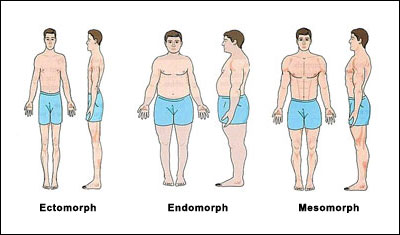
There are three general categories of body types (somatotypes): ectomorph, mesomorph, and endomorph.
Very few people fall perfectly into one of the three categories. People are often a mix of characteristics. Additionally, years of training and good nutrition can change the outward appearance of one’s body.
For instance, a bodybuilder might be mistaken for a “natural” mesomorph when in fact, s/he is really an endomorph who’s trained and dieted hard; or an ectomorph who’s spent years guzzling protein shakes and doing the power lifts.
An ectomorph who’s gained a little weight around the middle from a sedentary lifestyle and poor nutrition might assume they’re more endomorphic.
However, most folks can find their general tendencies in one of the three groups.
somatotype body types All About Eating For Your Body Type
Ectomorphs are thin individuals characterized by smaller bone structures and thinner limbs. Think of a typical endurance athlete. They tend to be thyroid and SNS dominant with either a higher output or higher sensitivity to catecholamines like epinephrine and norepinephrine. This profile is linked to a fast metabolic rate and a high carbohydrate tolerance.
This group generally does best with more carbohydrates in the diet, along with a moderate protein and lower fat intake. A nutrient distribution for this body type would ideally be around 55% carbs, 30% protein, and 15% fat.
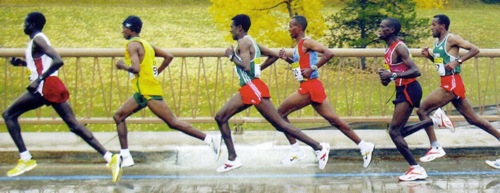
ectomorph kenyan runners All About Eating For Your Body Type
A group of ectomorphs doing what they do best
Mesomorphs have a medium sized bone structure and athletic body, and if they’re active, they usually have a considerable amount of lean mass. Many explosive athletes like wrestlers and gymnasts fit these criteria. Mesomorphs tend to be testosterone and growth hormone dominant. This profile leads to a predisposition for muscle gain and the maintenance of a lower body fat.
Mesomorphs typically do best on a mixed diet, consisting of balanced carbohydrates, proteins, and fats. A macronutrient split of 40% carbohydrate, 30% protein, and 30% fat can work well.
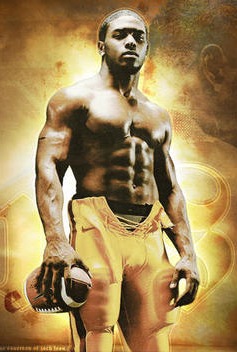
mesomorph reggie jackson All About Eating For Your Body Type
Reggie Bush
serena williams denim All About Eating For Your Body Type
Serena Williams
Endomorphs have a larger bone structure with higher amounts of total body mass and fat mass. Football lineman and powerlifters are frequently endomorphs. They tend to be insulin dominant. This profile leads to a greater propensity for energy storage, including both lean mass and fat mass. This can also mean a lower carbohydrate tolerance.
Endomorphs typically do best on a higher fat and protein intake with carbohydrate intake being controlled and properly timed (e.g., after exercise). Their ideal intake might look like 25% carbs, 35% protein, and 40% fat.
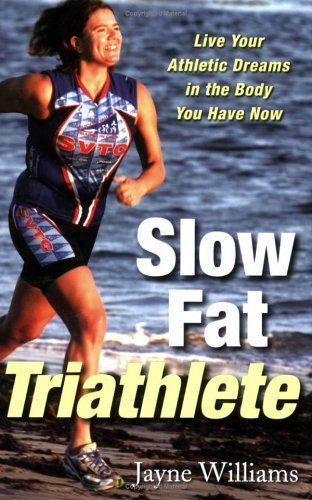
slow fat triathlete All About Eating For Your Body Type
Jayne Williams, author of Slow Fat Triathlete
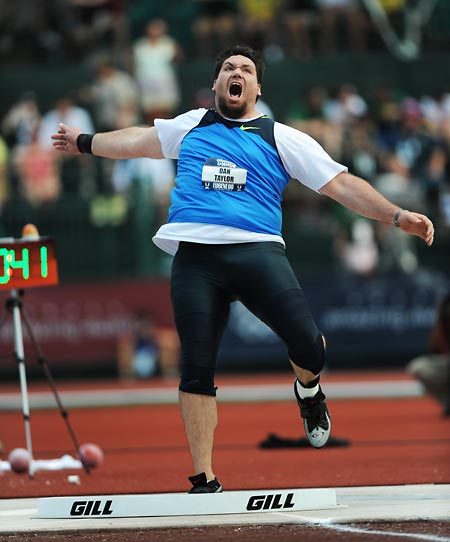
endomorph shot putter All About Eating For Your Body Type
Shot putter Dan Taylor
In general, we encourage individuals to experiment with different nutritional strategies until they find what works for them. And this is certainly one way to go about doing things.
Still, if seemingly endless trial and error with food intake doesn’t sound like an enjoyable way to spend your weekends, then identifying your body type and eating the appropriate distribution of nutrients might be a smart place to begin.

What you should know about eating for your body type

Regardless of your body type, body composition, or overall health status, your ability to handle carbohydrate-dense foods is greatly improved during and after exercise.
This means that the best time to eat a majority of those starchy (or, less ideally, sugary) foods is around the times that you’re physically active. Depending on your body type, your carb tolerance is different and your strategy should be different.

HIGH CARB TOLERANCE

If you’re the very carb tolerant type, eating a greater percentage of high carb foods outside the workout window will likely be just fine for you. This means eating more carbs all throughout the day. You should, of course, still get more carbs during/post workout than any other time of the day. Just think more carbs after workouts and less carbs at other times. Remember that as carb intake increases, fat intake decreases.

MODERATE CARB TOLERANCE

If you have moderate carb tolerance, you should likely minimize high carb/starchy carb foods outside the workout window — except, perhaps, after an overnight fast (think: breakfast). This means you’d try eating some higher carb/starchy carb foods in the AM as well as during/post exercise. The rest of the meals would consist of less dense carb foods and more lean proteins, veggies, fruits, nuts and seeds.

LOW CARB TOLERANCE

If you’re not very carb tolerant, your best bet is to avoid high carb/starchy carb foods outside the workout window (including breakfast). This means only veggies and fruits outside the workout window (along with proteins and fats).

For extra credit

As we approach different stages in our lives, hormones change and our body type can be influenced. This includes stages such as puberty and menopause (as well as the male equivalent, andropause).
Dense carb foods include whole grains (rice, breads, quinoa, amaranth, millet, corn, barley, etc.), dried fruits, yams, sweet potatoes, potatoes, recovery drinks, sugars, etc.

Summary and recommendations

Carb tolerance: High
Typical body type: Ectomorph
Carb timing ideas: Should include dense carb foods during/after exercise. Some starchy, whole grain, unprocessed carbs can also be eaten at each other meal if desired. Veggies and/or fruits (~3:1 serving ratio) should be eaten at each meal.
Carb tolerance: Moderate
Typical body type: Mesomorph
Carb timing ideas: Should include dense carb foods, but only during/after exercise. Starchy, whole grain, unprocessed carbs can also be eaten at breakfast and post exercise. These foods should be used in moderation during the rest of the day. Veggies and/or fruits (~3:1 serving ratio) should be eaten at each meal.
Carb tolerance: Low
Typical body type: Endomorph
Carb timing ideas: All dense carb foods should be included only during/after exercise. Veggies and/or fruits (~5:1 serving ratio) should be eaten at each meal.
All of the aforementioned guidelines are great for muscle gain (assuming overall food intake is high enough), maintenance, and even moderate weight loss/shifting body composition.
For people brand new to the world of healthy eating, don’t worry too much about body type eating, because you’ll likely have some broad food issues to deal with first. For our advanced nutrition readers, take advantage. Establish your body type, implement the strategies, and watch how your body changes.
If you’ve used a strategy in the past and it didn’t work, then don’t do it again. As always, match up behaviors and expectations while utilizing outcomes based decision making.

Monday, May 6, 2013

Talking About Vitamin Deficiencies

As a trainer I am often asked about the meaning behind strange symptoms my clients are experiencing. They often (always) want a quick fix, such as drink more water and the symptoms will disappear. It's difficult to remember all the many symptoms that can manifest themselves from malnutrition, or the lack  of one specific nutrient. This is why I love to find charts like this one from Precision Nutrition. It does not cover everything as a chart like that would take several pages, but it does cover some of the more common problems people experience.

Deficiencies by body part

IF YOU HAVE…YOU MAY BE OR HAVE…
AnklesSwollen anklesOver-hydrated
BrainMemory problems, disorientation or dementiaNiacin (B3), vitamin B12, or thiamine (B1) deficiency
EyesPuffy, swollen eyesOver-hydrated
Sunken, dull or dry eyesVitamin A or zinc deficiency; under-hydration
Dry eyes with gray spotsVitamin A deficiency
Red or difficult-to-control eyesRiboflavin (B2), pyridoxine (B6), thiamine (B1) or phosphorus deficiency
FaceAcneVitamin C deficiency
FeetTingling feetPyridoxine (B6) or vitamin B12 deficiency
GumsSore and spongy or red and swollenVitamin C deficiency
HandsTingling handsPyridoxine (B6) or vitamin B12 deficiency
LipsCracked lipsRiboflavin (B2), niacin (B3), or pyridoxine (B6) deficiency
LungsShortness of breathOver-hydrated
Mouth and mucous membranesDry mucous membranesUnder-hydrated
Sore mouthPyridoxine (B6) or vitamin B12 deficiency
MusclesMuscle spasmsCalcium, magnesium or vitamin D deficiency
NailsBrittle, thin nailsIron deficiency
SalivaSticky saliva / dry mouthUnder-hydrated
SkinMoist skinOver-hydrated
Dry, scaly, pale or bruises easilyIron, vitamin A, C, K, zinc, essential fatty acid or protein deficiency
Red spots under your skin’s surfaceVitamin C deficiency
Cool, pale, clammy skinUnder-hydrated
Scaly, greasy skinVitamin A, zinc or riboflavin (B2) deficiency
TonguePurple, white, or smooth and slick; painfulRiboflavin (B2), niacin (B3), pyridoxine (B6), folic acid (B9), B12, zinc or iron deficiency
Sore tonguePyridoxine (B6) or Vitamin B12 deficiency
UrineLight-coloured urineOver-hydrated
Dark coloured urineUnder-hydrated


Tuesday, April 2, 2013

How to build up to a Headstand

I have always wanted to do cool things, "tricks" if you will. I figure I'm strong I should be able to neat things, right? I've got the headstand down, and now I'm moving on to other things. Here is how I built up to be able to do the headstand. 
I found the best way to start off is with the weight distributed between your hands and the top of your head. I like this way because it allowed me to slowly raise my body up. Here is the progression.


 In the tripod position bring knees to rest on the back of your arms. This is a great starting position to help establish balance.


The next move is to straighten your torso. This part takes a while to get down if you are not used to balancing like this. I took it very slow, to make sure I had total control of my body. 

Now for the money maker, to straighten your legs. These pics are of me not quiet there yet. I'm pretty sure I fell over after these were taken. Don't get discouraged, you can do it!


And finally it happens! The picture on the right was my first time "nailing it!"If my sweatshirt was not covering my face you would be able to see me yelling at my husband to hurry and take a pic before I lost it. 
After getting it down for the first time it becomes much easier. 


The main muscle group used to perform a headstand are the core muscle groups, this includes your abs and back. You might be surprised that it also requires arm, chest, neck, and leg strength...yes, your entire body, and you have to balance. 

Here are some of my favorite ab exercises.  

This one is especially good because you have to balance and use core strength!

Also here are some great exercises to help you with your balance.

Single Leg Clock Squat

Russian Dead Lift

Also a bit of upper body strength

Renegade Row

Doing a headstand is truly a practiced skill. Work on your strength, and practice your headstands, I used commercial breaks while the husband and I were watching shows on Hulu. 
Keep working and you'll get it in no time! 


Friday, March 29, 2013

Got Milk? Drink it, or dump it?

I posted this highly controversial info-graphic to my personal Facebook page, and was mildly amused by the responses I got. Everything from people agreeing 110% with all of the information contained, to a dairy farmer's daughter disagreeing with everything mentioned. Everybody felt very strongly either for, or against, milk. 
I personally don't drink milk (though I do indulge in cheese occasionally)  mostly because I don't like the taste. Having done my share of research I have ultimately decided against drinking milk, my husband still drinks milk, and we try to buy from local farms. It's good to support our local farms. 
No matter what side of the dairy issue you come down on I think it's incredibly important to do some research. Be careful the information that you chose to subscribe to since almost all studies are sponsored by somebody, the Dairy Counsel, Soy Farmers of America, there is always somebody behind the study. Try to educate yourself, and since I'm sure you don't have time to read everything out there try to eat as naturally as possible, and when possible locally. 


When it Began:Why I thought I would love Yoga

When I began my yoga journey I was very interested in the things my physical body could do. I still am, to be honest, however my physical se...